
A Sovereign Ocean Blueprint by Richiegaps — Global Polymath, Cross-Sector Architect & Planetary Reformer
Executive Vision
This blueprint does not ask how Indonesia can protect its oceans.
It asks something far more powerful:
How can Indonesia make its oceans economically indispensable, ecologically regenerative, and civilizationally central—without plastic, without extraction, and without fragility?
Indonesia is not a coastal nation.
It is an ocean civilization with islands attached.
The Nusantara Blue-Engine transforms Indonesia from a resource-exporting archipelago into the world’s largest regenerative ocean economy, where GDP growth and planetary repair are the same equation.
Strategic Premise: From Archipelago to Ocean Engine
Indonesia’s current growth model underutilizes its greatest asset:
- 17,000+ islands
- the world’s richest marine biodiversity
- unmatched cultural diversity across seas
Today, value is still measured largely on land.
Tomorrow, value must be measured in living water systems.
This blueprint shifts Indonesia’s balance sheet from:
Land-Centric GDP → Ocean-Centric Natural Capital GDP
The Blue-Engine Logic (How Growth Actually Happens)
Think of Indonesia’s oceans as a distributed engine, not a single sector.
Each component strengthens the others.
LAYER 1 — Plastic-Free Ocean Architecture
Designing Waste Out of the System
Core Shift
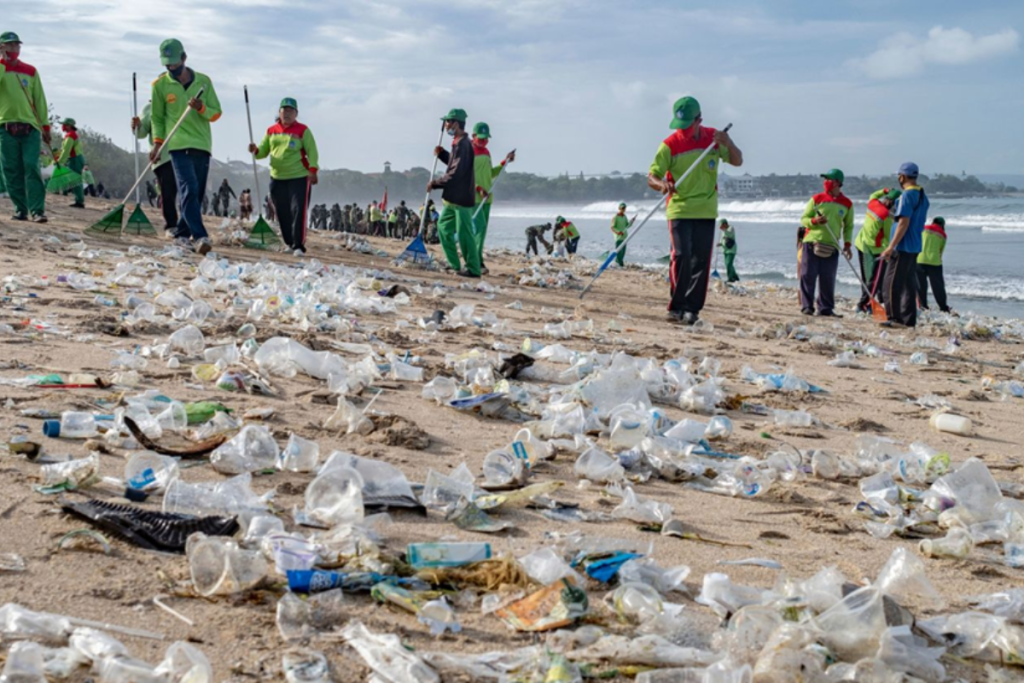
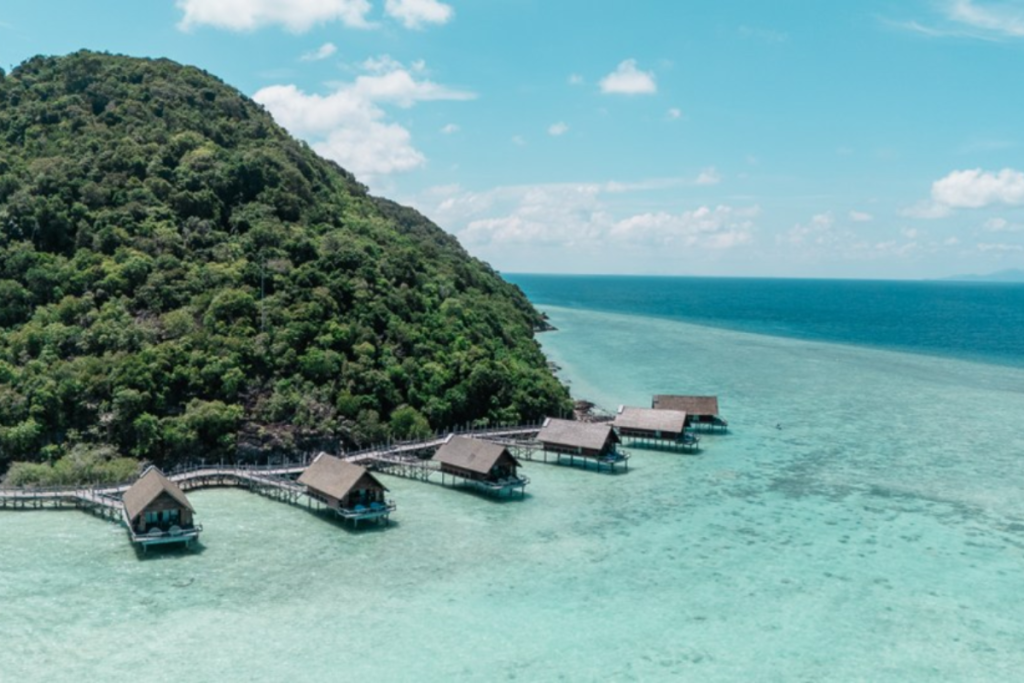
- No plastic in coastal or marine zones
- Mandatory biodegradable, mineral, or bio-composite materials
- Ocean-safe architecture standards
Why This Matters
- Plastic kills tourism credibility
- Plastic destroys biodiversity value
- Plastic blocks long-term capital
Plastic-free oceans become premium oceans.
LAYER 2 — Reef & Mangrove as Economic Infrastructure
Nature That Earns, Protects, and Grows

What Changes
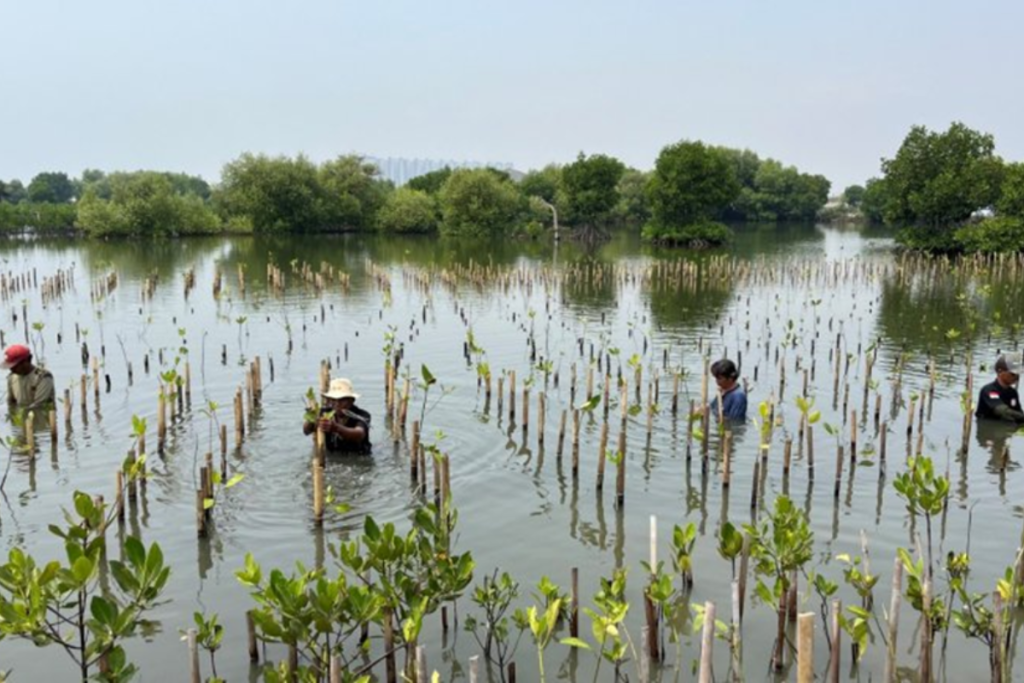
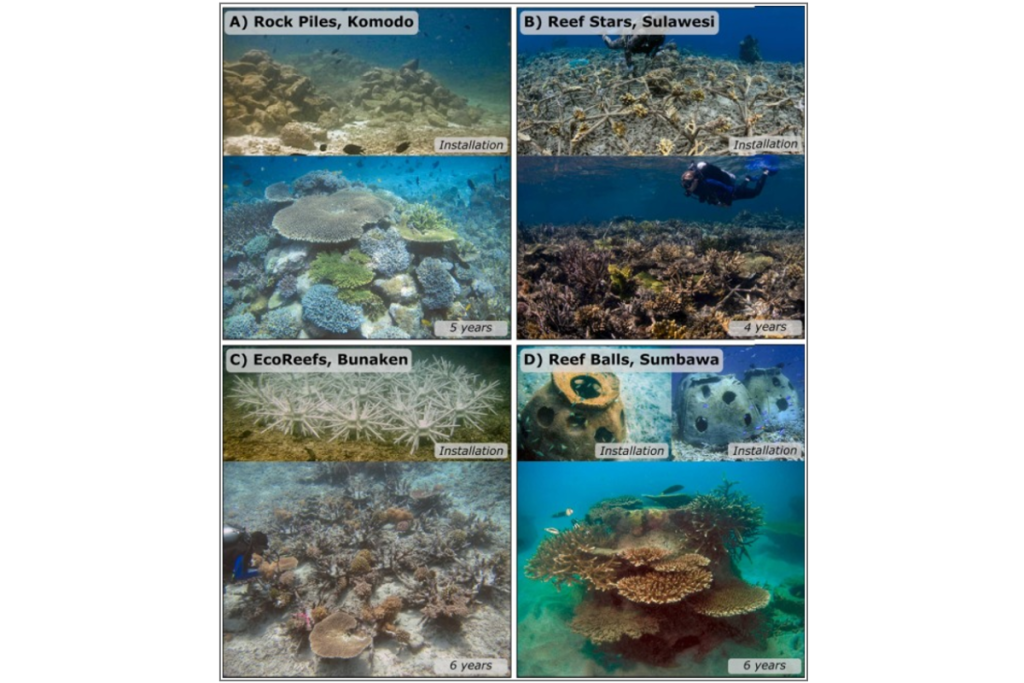
- Reefs and mangroves treated as national infrastructure
- Engineered reef grids to restore biodiversity
- Mangroves scaled as storm-defense, carbon, and fish nurseries
Economic Logic
- Coastal protection replaces concrete
- Fish stocks regenerate
- Carbon and biodiversity credits emerge
Nature becomes productive capital, not passive scenery.
LAYER 3 — Ocean-Based Tourism (Beyond Beaches)
Experiences, Not Just Destinations
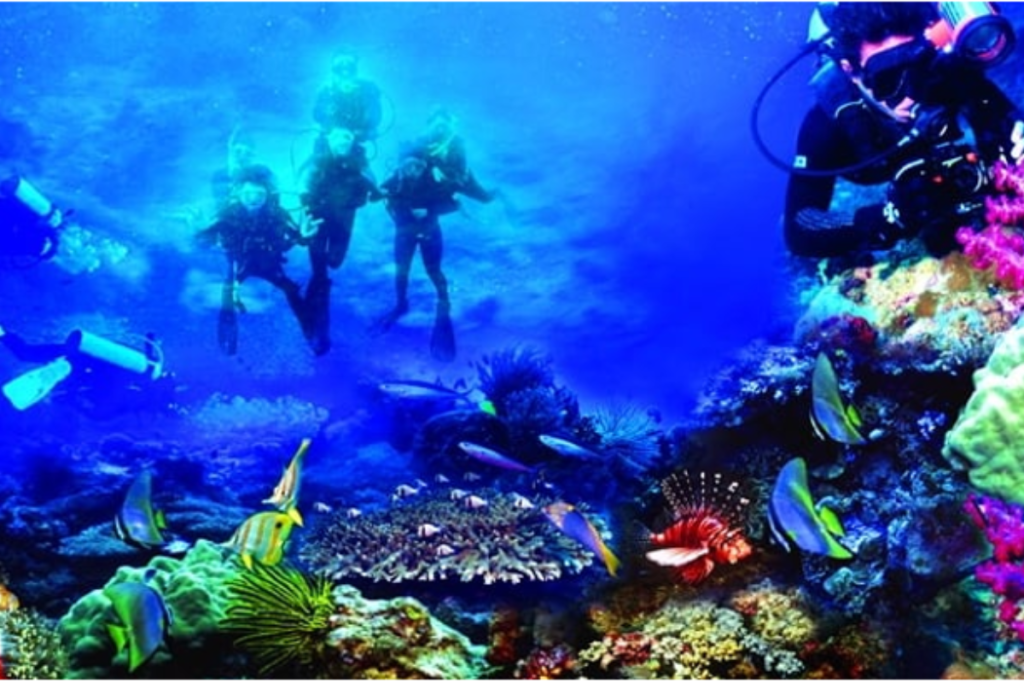
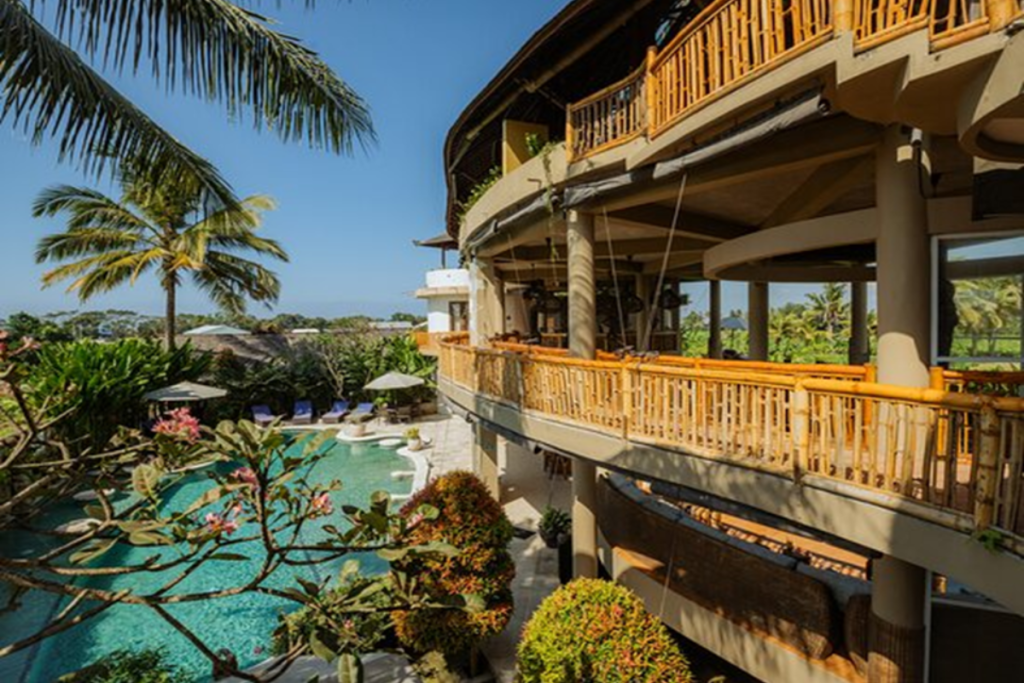
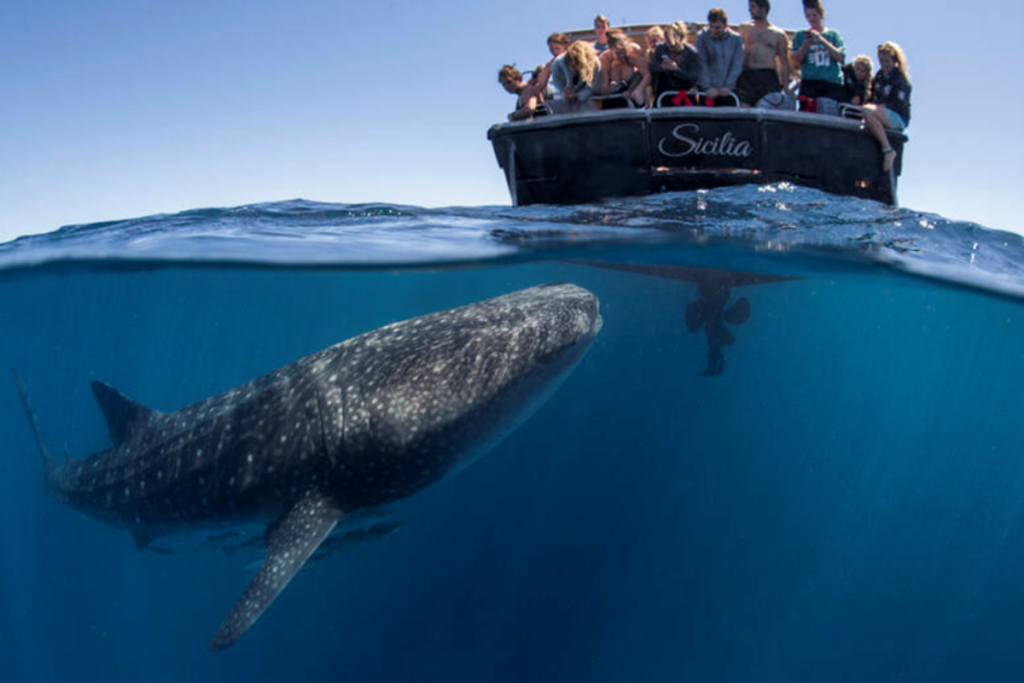
New Tourism Stack
- Reef exploration zones
- Floating cultural villages
- Underwater observation habitats
- Long-stay science + wellness tourism
Result
- Higher value per visitor
- Longer stays
- Less ecological pressure
Indonesia becomes experiential, not extractive.
LAYER 4 — Blue Energy & Ocean Intelligence
Power and Data from Water
What Changes
- Wave, tidal, and thermal micro-energy
- Reef-embedded sensor networks
- Climate, fish-migration, and carbon data exports
GDP Effect
- Energy independence for islands
- Ocean data as an export industry
- Strategic climate intelligence leadership
LAYER 5 — Archipelagic Connectivity (Sea as Highway)
Oceans Connect, They Don’t Divide
What Changes
- Green marine transport corridors
- Electric & hydrogen ferries
- Smart ports with zero waste discharge
The sea becomes Indonesia’s fastest, cleanest logistics layer.
LAYER 6 — Sovereign Ocean Law & Finance
Legal Architecture for Blue Capital
What Changes
- New legal category: Regenerative Ocean Zones
- Long-term investor certainty
- Ocean assets recognized in national accounts
Indonesia becomes the safest place on Earth to invest in the ocean.
LAYER 7 — Cultural & Civilizational Identity
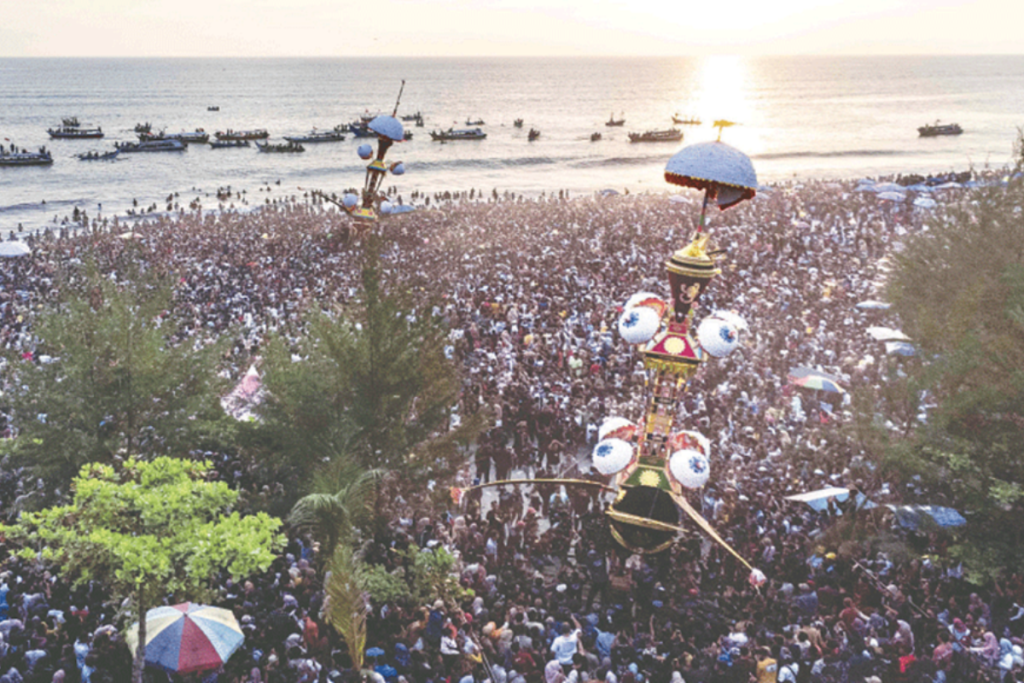
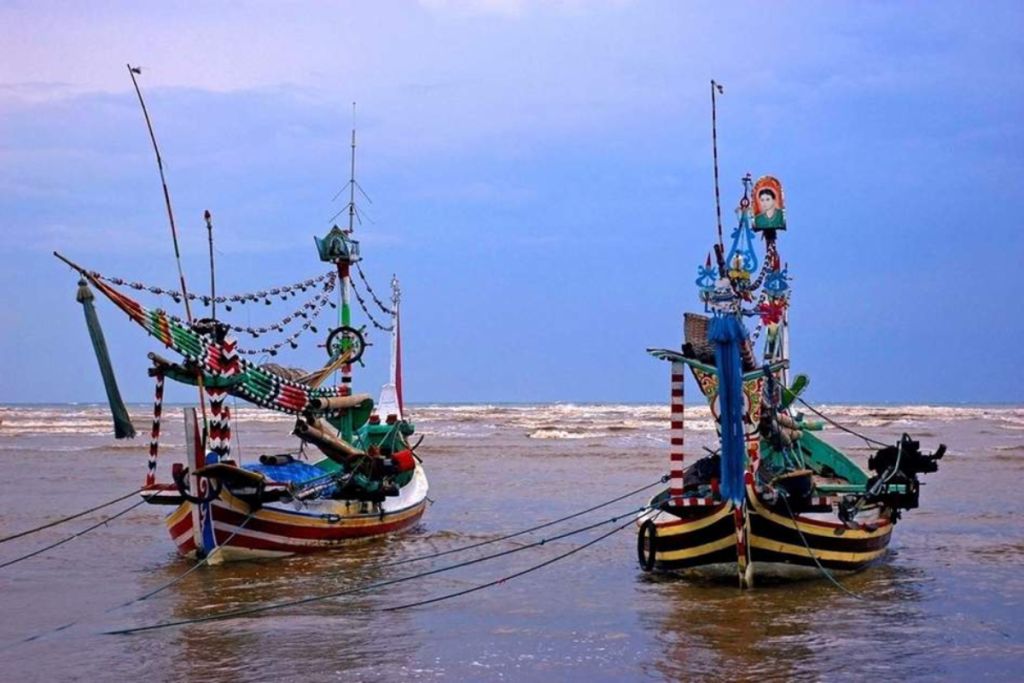
Nusantara as a Living Ocean Civilization
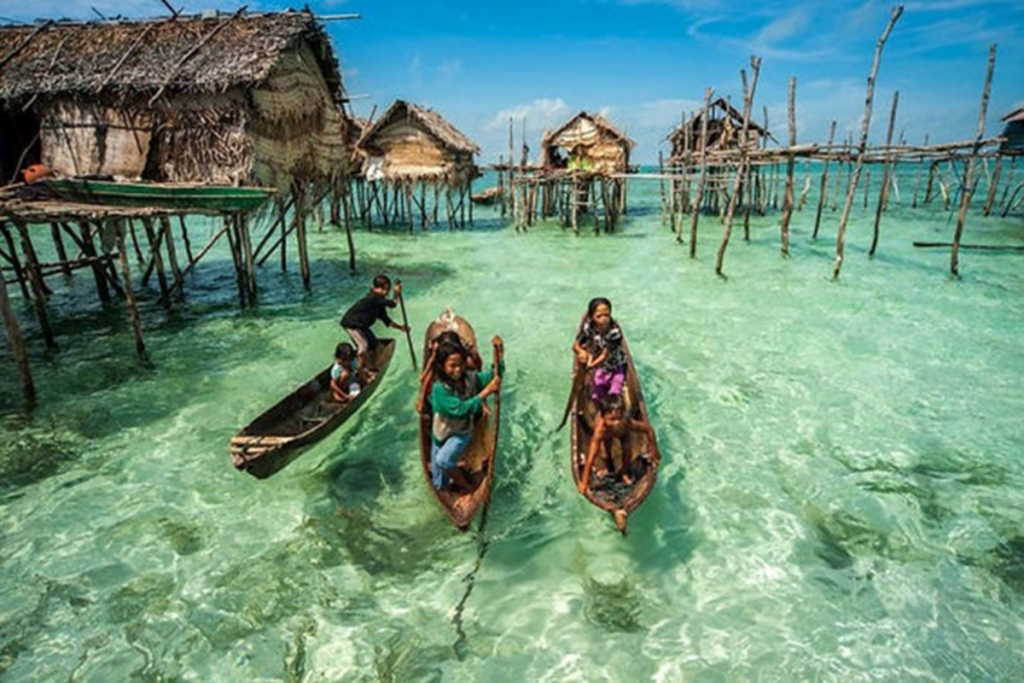
What Changes
- Ocean-centric education
- Marine arts, festivals, immersive storytelling
- Youth identity anchored in stewardship, not exploitation
Culture becomes a growth multiplier, not decoration.
GDP & Value Shift (Conceptual Chart)
| Dimension | Today | Blue-Engine Future (20–30 yrs) |
| GDP Base | Land, extraction | Ocean regeneration |
| Tourism | Seasonal, beach-centric | Experiential, year-round |
| Climate Risk | High | Designed resilience |
| Plastic Impact | Severe | Eliminated in zones |
| Global Role | Supplier | Ocean leader |
Why This Is Planetary Reform (Not Just Policy)
- Plastic elimination is structural, not symbolic
- Biodiversity increase = economic upside
- Carbon drawdown embedded into GDP
- No trade-off between growth and green
Indonesia becomes proof that:
The ocean can grow economies without being consumed.
Why Richiegaps
This blueprint requires:
- systems thinking
- imagination
- economics
- ecology
- culture
- psychology
Richiegaps operates across 30 sectors and 250+ sub-disciplines, allowing him to:
- integrate science with culture
- align GDP with ecology
- convert imagination into policy logic
This is why his blueprints are written for nations, not projects.
Fees of Richiegaps (Sovereign Blueprint Mandate)
One-Time Fee
The fee structure will be discussed and finalized mutually during the next stage of discussions.
Includes:
- Complete Nusantara Blue-Engine architecture
- Plastic-free ocean framework
- GDP transition logic
- Legal, financial, and cultural integration
- Implementation sequencing
- Global positioning narrative
No execution dependency.
No retainer.
Architecture transfer only.
Cost–Benefit Analysis (Conservative)
Indicative Long-Term Benefits
- Ocean-based GDP uplift: USD 50–80 billion (25–40 yrs)
- Tourism value multiplication
- Disaster risk cost reduction
- Carbon & biodiversity finance inflows
Cost–Benefit Ratio
1 : 5,000+
One correct ocean-economy decision pays for the blueprint many times over.
Closing Vision for Policy Makers
Indonesia does not need to copy models.
It needs to author one.
Land nations compete.
Ocean nations endure.
With the Nusantara Blue-Engine, Indonesia does not merely grow—it leads the planetary transition from extraction to regeneration.